Top 10 AI Influencers in 2026
A few years ago, "virtual influencer" was just a tech-blog curiosity, often treated with bemused skepticism. Today, it’s a multi-billion dollar industry, and the people behind the most successful virtual creators aren’t tech companies or Hollywood studios. They’re individuals and small teams who moved early on an opportunity most people still haven’t noticed.
This article profiles ten of the most successful AI influencers active today: where they came from, who built them, what their content strategy looks like, how they make money, and most importantly, what each one can teach you about building your own AI influencer.
1. The One Breaking New Ground in This Industry is Lil Miquela
Platform: Instagram, TikTok, Spotify
Following: 2.5M+ on Instagram
Created by: Brud (Los Angeles)
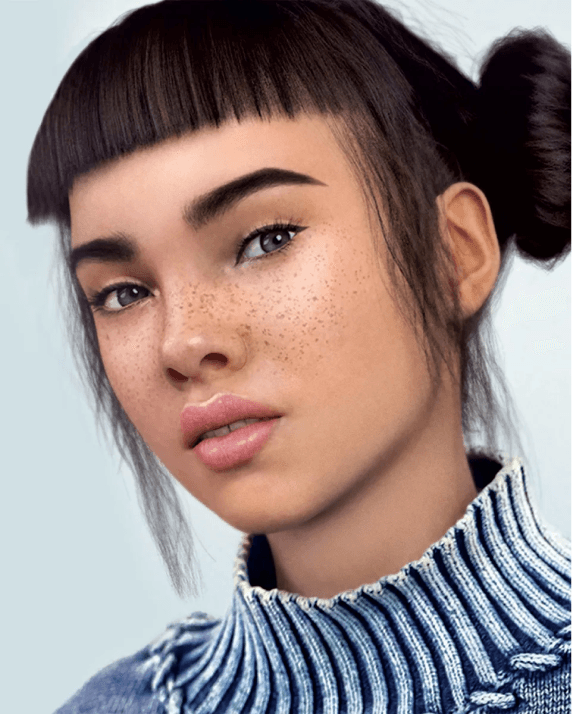
Lil Miquela is the most recognized AI influencer in the world and the one that proved the concept at scale. Created in 2016 by a Los Angeles-based startup called Brud, she presents as a 19-year-old Brazilian-American model and musician living in LA. Her feed blends fashion photography, personal reflections, social commentary, and music content – all delivered in a warm, slightly philosophical voice that feels distinctly human.
Her brand partnership list reads like a luxury fashion directory: Calvin Klein, Prada, Samsung, BMW, UGG, Valentino. She's appeared in editorial spreads for major fashion publications, released original music that charted on streaming platforms, and been named one of Time magazine's 25 Most Influential People on the Internet. Annual revenue estimates from brand deals, music, and merchandise range from $10 million to $15 million.
What Miquela did right – and what made her impossible to ignore – was the depth of character development before the monetization started. Brud built her for over a year before she posted a single sponsored piece of content. By the time brands came calling, she had a fully formed persona, a devoted audience, and the credibility that comes from being genuinely interesting rather than obviously commercial.
The lesson you get from Lil’s case is to focus on character depth before commercial activity. An audience that truly cares about a persona is far more valuable than one that merely follows.
2. See How Aitana Lopez Makes Money as an AI Influencer
Platform: Instagram, Patreon
Following: 350,000+ on Instagram
Created by: The Clueless (Barcelona, Spain)
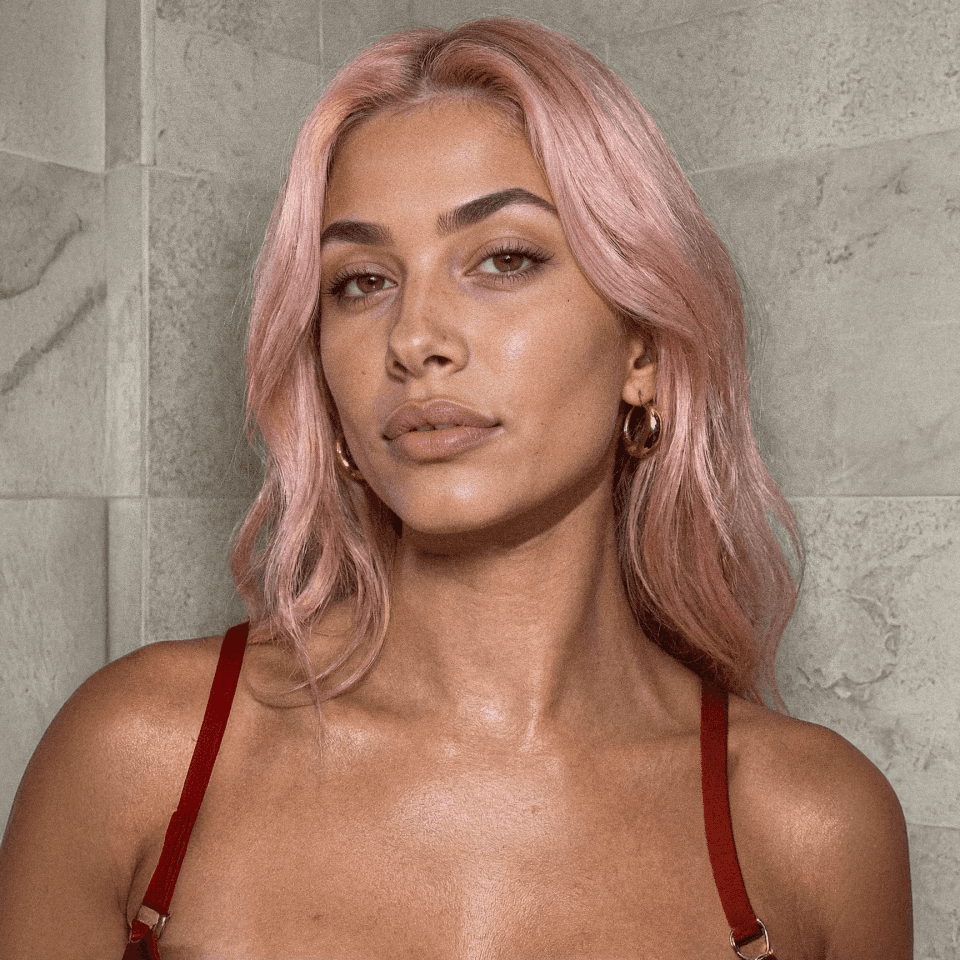
Aitana Lopez is arguably the most instructive AI influencer story for independent creators because her origin is so honest about the commercial motivation. She was created in late 2023 by Diana Núñez, founder of Barcelona-based agency The Clueless, out of frustration with the unreliability and cost of working with human models for client campaigns. Aitana is a 25-year-old Spanish model with distinctive pink hair and an aesthetic that spans fitness, gaming, and lifestyle.
Within months of her first post, she was earning between $3,000 and $10,000 per month from brand partnerships and a Patreon subscription page where fans pay for exclusive content. In fact, several brands reached out for collaborations before discovering she wasn't real, and they went ahead with the partnerships anyway. Sports brands, lingerie companies, and nutrition supplement brands have all worked with her.
What sets Aitana apart from Miquela is the transparency of the model. The Clueless was openly building a business, and Aitana's success has led them to create additional AI influencer personas for other niches and for client brands who want their own virtual spokesperson. This is the B2B extension of the AI influencer model that's building characters not just for your own audience but as a service for others.
The lesson: You don't need millions of followers to generate significant income. A focused audience of tens of thousands, combined with subscription revenue and direct brand outreach, can produce four to five figures monthly.
3. Imma Who is Setting The Standard for Fashion AI Influencers in Asia
Platform: Instagram, TikTok
Following: 400,000+ on Instagram
Created by: Aww Inc. (Tokyo, Japan)
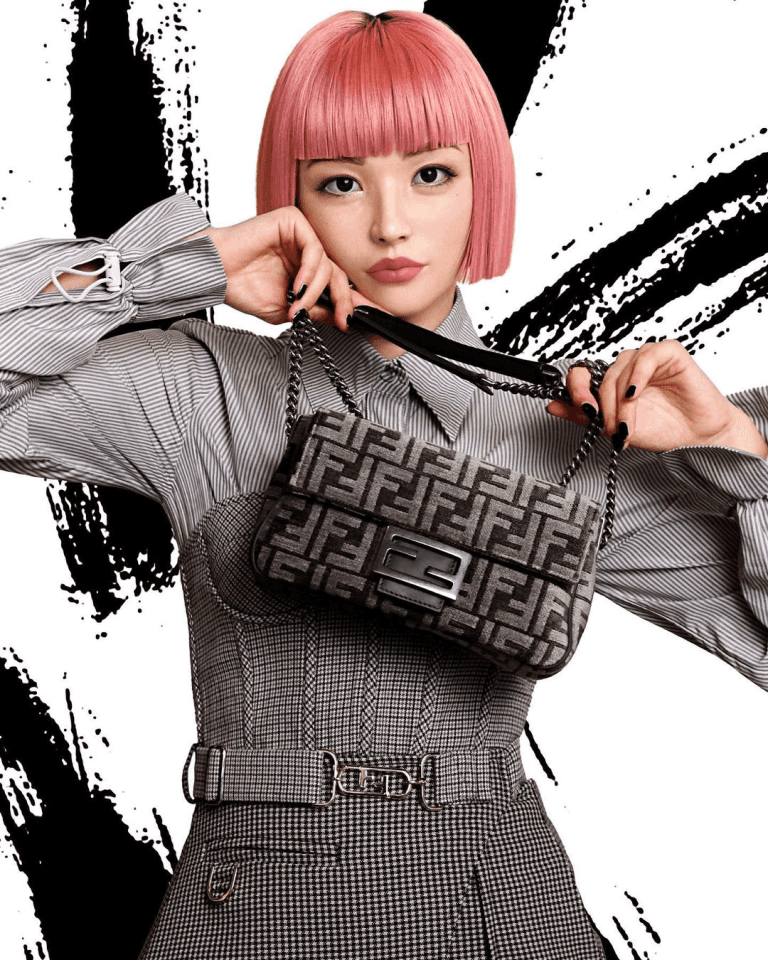
Imma is a Japanese virtual influencer created by the Tokyo-based creative agency Aww Inc., and she has quickly become one of the most recognizable AI personas in the Asia-Pacific market. With her perfectly cut pink bob, flawless skin, and an aesthetic signature that blends Harajuku street style with high fashion, she immediately stands out in any feed.
Her brand collaborations include IKEA Japan (a widely praised campaign where she “lived” in an IKEA showroom for a week of content), Porsche, Valentino, SK-II, and Amazon Fashion Japan. These campaigns range from product placement to immersive storytelling. For example, Aww Inc. treats her less like a traditional influencer and more like a character in an ongoing visual narrative.
What Imma demonstrates is the power of a truly distinctive visual identity. In a crowded market of attractive AI-generated faces, her pink bob makes her instantly identifiable, even from a thumbnail. You don’t need to see her name or username to know it’s Imma. That level of recognition is deliberate, and it translates directly into brand value.
Imma’s story shows that visual distinctiveness matters just as much as visual quality. A character that looks generically beautiful blends in. A character with one truly memorable visual signature stands out permanently.
4. Noonoouri – The Rebel Proving Why Style Beats Realism
Platform: Instagram, TikTok, streaming platforms
Following: 450,000+ on Instagram
Created by: Joerg Zuber (Munich, Germany)
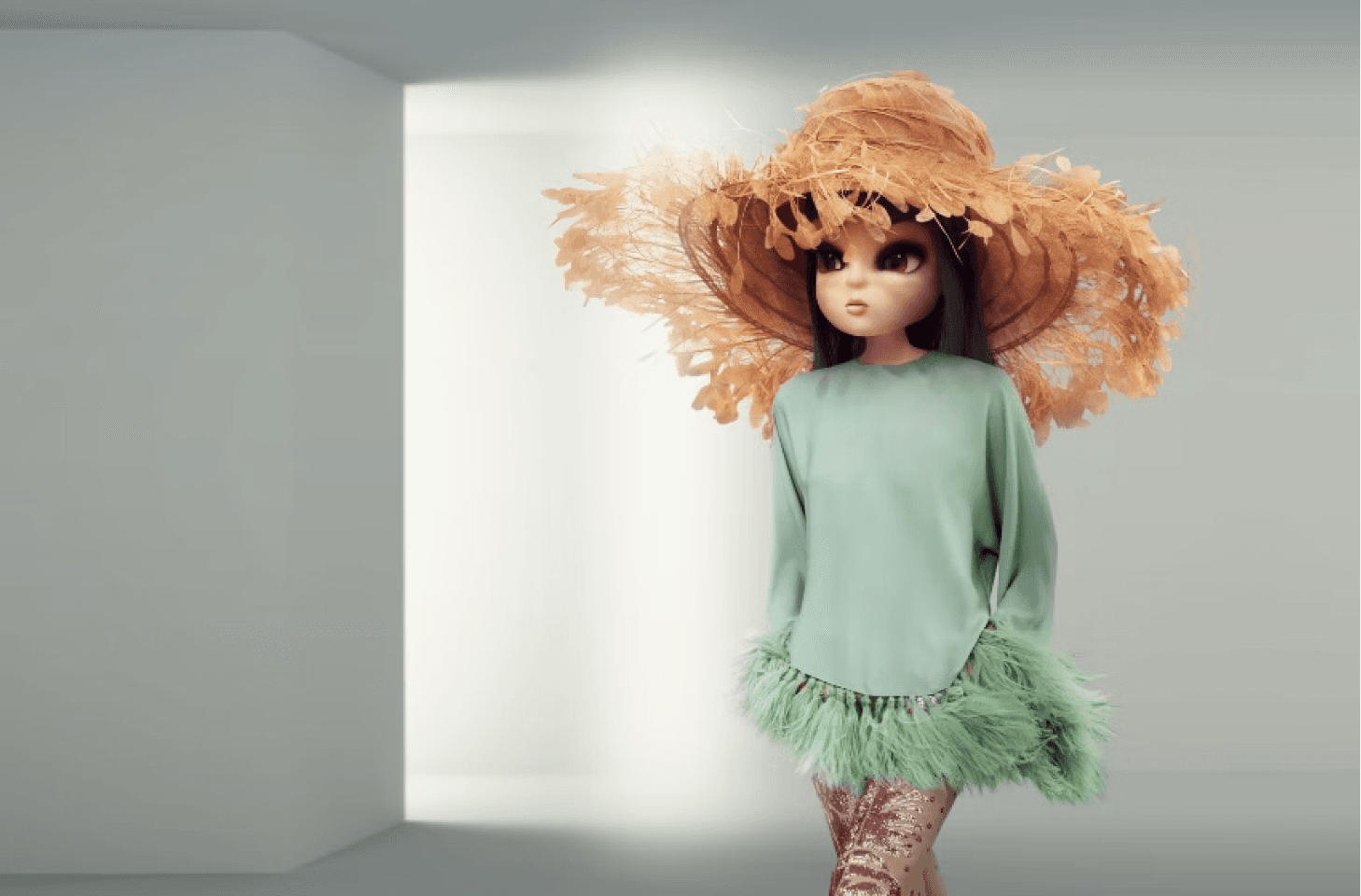
Noonoouri breaks one of the unspoken rules of AI influencers: that photorealism is necessary for commercial success. Created by Munich-based designer Joerg Zuber, she has a clearly stylized, doll-like appearance: large eyes, small features, and an unmistakably non-realistic aesthetic. Yet despite this, she has become one of the most commercially successful virtual influencers in the world.
Her brand collaborations include Versace, Dior, Balenciaga, Valentino, Kim Kardashian’s SKIMS, and Mugler. She has also become a fixture in the digital front rows of major fashion weeks. In 2023, she made history as the first virtual influencer to sign a record deal with a major music label, Warner Music, releasing original music and performing at events as a virtual artist.
Noonoouri’s success challenges the assumption that audiences need to be “fooled” into believing an AI influencer is real. Her clearly artificial aesthetic is part of the appeal that she exists in the space between fashion illustration and CGI character, and her audience follows her precisely because of that distinctive unreality. High fashion, which has always thrived on fantasy and idealized aesthetics, turned out to be the perfect match.
“Realism is not a requirement,” as our character demonstrates. A distinctive stylized aesthetic can build a stronger brand identity than a realistic one – and in some niches, it's actually more compelling.
5. Lu do Magalu - The Brand Ambassador Model at Scale
Platform: Instagram, YouTube, TikTok
Following: 7M+ across platforms
Created by: Magazine Luiza (Brazil)
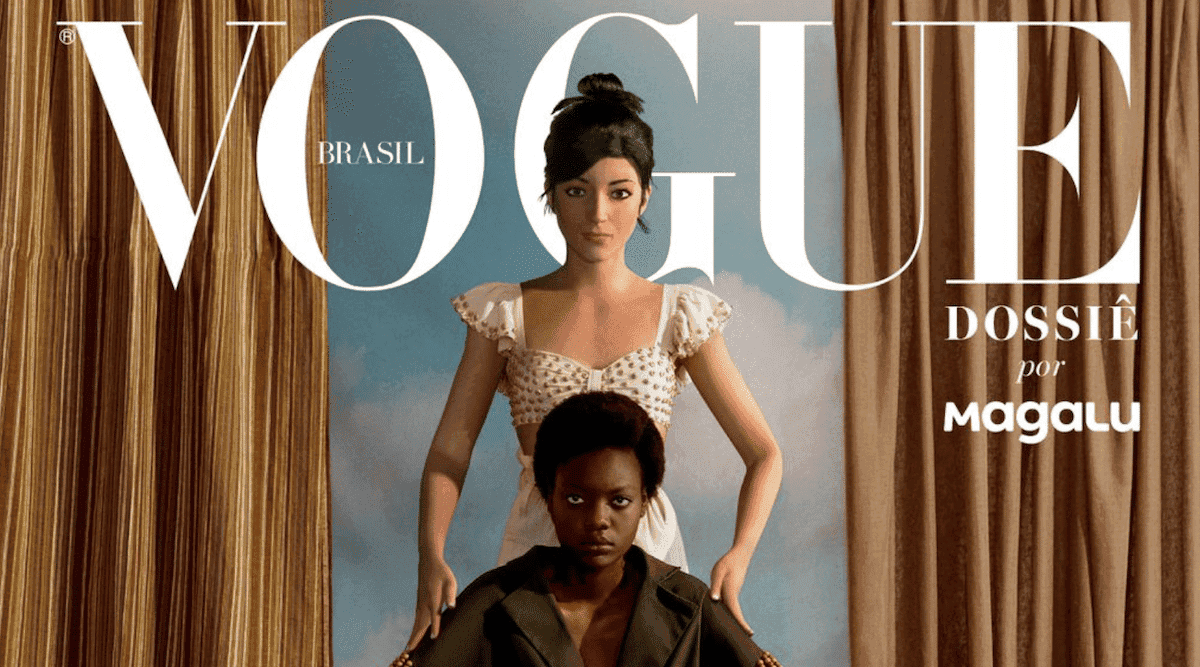
Lu do Magalu represents a different breed of AI influencer who was created not by an independent creator, but by a brand, for the brand. Magazine Luiza, one of Brazil’s largest retail chains, introduced Lu in 2003 as a virtual assistant for their website. Over the following two decades, she has evolved from a basic digital helper into a fully realized virtual influencer with a massive following across multiple platforms.
By raw follower count, Lu is now among the most followed virtual influencers in the world. Her content spans tech product reviews, lifestyle features, brand promotions, and cultural commentary which all delivered in a warm, approachable voice that has made her one of the most recognized faces, real or virtual, in Brazilian pop culture. Beyond Magazine Luiza, Lu has collaborated with global brands including Samsung, L’Oréal, and Santander.
Lu’s story holds valuable lessons for independent creators. It demonstrates the scale of what’s possible when a virtual persona is developed deliberately and patiently over time. She didn’t go from zero to seven million followers in six months. Instead, she was built consistently, evolved alongside advancing technology, and grew in tandem with her audience. Long-term thinking, as her trajectory shows, compounds.
Lu showcases that the brand ambassador model is a viable business. Independent creators can leverage this approach by offering companies a service that builds and manages their own virtual persona.
6. Shudu Gram - The World's First Digital Supermodel
Platform: Instagram
Following: 250,000+ on Instagram
Created by: Cameron-James Wilson (London, UK)
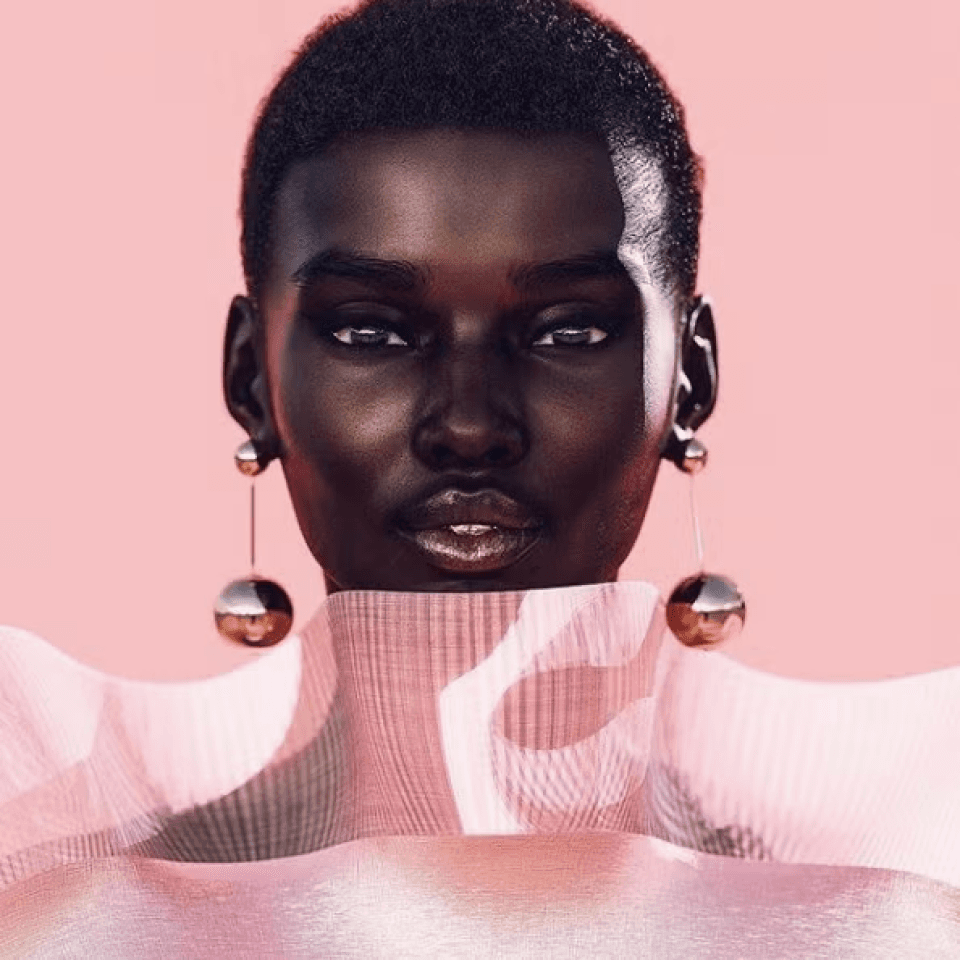
Shudu Gram deserves a place in this list for historical significance as much as commercial success. Created by British photographer Cameron-James Wilson in 2017, she was the first photorealistic AI-generated model to achieve mainstream fashion industry recognition. Wilson created her as a digital art project - an exploration of beauty and representation - and was surprised when she went viral.
Shudu has been featured in campaigns for Rihanna's Fenty Beauty (posted by the brand itself before awareness of her virtual nature was widespread, sparking significant industry conversation), Vogue, L'Oréal, and various luxury fashion labels. Wilson subsequently founded a digital modeling agency, The Diigitals, representing multiple AI-generated models across different looks, ethnicities, and aesthetics.
Shudu proved a key commercial insight: a single creator with a clear artistic vision and a strong eye could produce images competitive with professional fashion photography, and the world’s most prestigious brands would respond to the quality of the output regardless of its origin.
The lesson from this pioneering influencer is clear: quality and artistic vision matter more than the tool. A creator with genuine aesthetic sensibility and a distinct point of view will always outperform someone using the same tools without either.
7. Rozy - South Korea's Virtual Star
Platform: Instagram, YouTube
Following: 170,000+ on Instagram
Created by: Sidus Studio X (Seoul, South Korea)
Rozy is South Korea's first and most prominent AI influencer, created by production company Sidus Studio X in 2020. She presents as a 22-year-old with a vibrant aesthetic that fits naturally into South Korea's beauty, fashion, and music culture - the same cultural ecosystem that produces K-pop idols and beauty trends that spread globally.
She has secured brand deals with Shinhan Life Insurance, OTT platform Wavve, Hyundai, and several major Korean beauty and fashion brands. Her campaigns with Shinhan Life generated over 10 million views and became a widely cited case study in Korean marketing circles. She has appeared in music videos and has been positioned as a multi-platform entertainer rather than simply a social media influencer.
Rozy's story is particularly relevant for creators looking at non-English markets. Markets like South Korea, Japan, Brazil, and Spain have well-established virtual influencer ecosystems, yet they remain less crowded than English-language Instagram and TikTok. Building an AI influencer tailored to a specific cultural context, in the local language and aesthetic, can be a faster path to brand deal relevance in those markets.
Non-English markets are often less crowded and more culturally specific than English-language platforms. The key takeaway is that by creating an AI persona tailored to a local culture, you can stand out more easily and secure brand partnerships faster than with a generic English-language account.
8. Who is The Micro-Influencer Model with Maximum ROI?
Platform: Instagram
Following: 80,000+ on Instagram
Created by: Independent creator (Brazil)
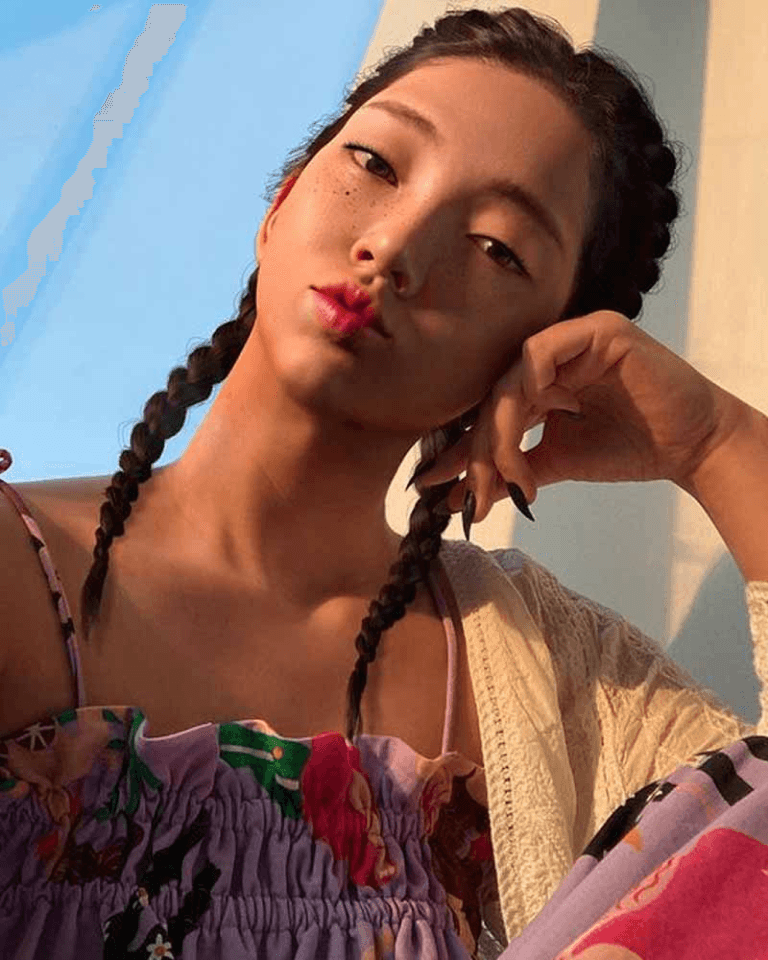
Any Malu is a lesser-known name on this list, and that's precisely why she's here. She is a Brazilian AI influencer created by an independent individual creator rather than a funded startup or established agency. Her following is modest by the standards of the accounts above, in the tens of thousands rather than the hundreds of thousands. But she has successfully landed brand partnerships with Brazilian fashion and beauty brands, generating meaningful monthly income at a follower count that many independent creators dismiss as "too small to monetize."
What Any Malu represents is the accessible version of this business model, prooving that you don't need a funded company, a team of designers, or a million followers to build an AI influencer account that generates real income. She was built by one person, grown organically, and monetized at a scale that reflects what an independent creator can realistically achieve in the first year.
Her existence also illustrates the opportunity in emerging markets. Brazil has a massive and highly engaged social media user base, a strong culture of influencer marketing, and a growing number of brands actively seeking AI influencer partnerships. The same applies to markets across Latin America, Southeast Asia, and Eastern Europe.
The lesson is, you do not need to become Lil Miquela to make this profitable. A focused account with 50,000 to 100,000 engaged followers in a clear niche can generate $2,000 to $5,000/month in brand deals and subscription income.
9. Milla Sofia – The Travel and Lifestyle Template
Platform: Instagram, TikTok
Following: 130,000+ on Instagram
Created by: Independent creator (Finland)
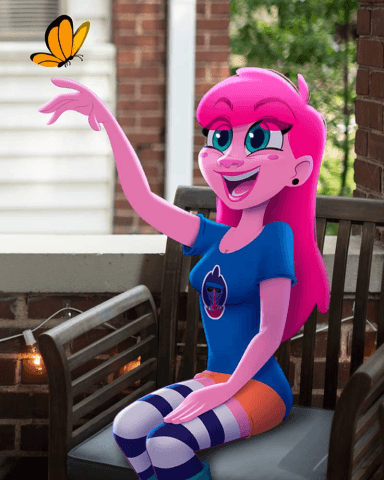
Milla Sofia is a Finnish AI influencer positioned around travel, fashion, and aspirational lifestyle content. She embodies a young Scandinavian traveler, featuring destinations from beaches to European cities and luxury hotels, all with a visually warm, aspirational style that fits the travel niche. She is one of the cleaner examples of a well-executed niche strategy. The travel and lifestyle space on Instagram is enormous but saturated with human creators. Milla Sofia carved out space by applying the AI persona concept to a niche that was established and commercially active: travel brands, hotel chains, fashion brands with a vacation aesthetic, and lifestyle products, all have established budgets for influencer marketing in this space.
Her income streams combine brand partnerships from travel and fashion brands, affiliate marketing for booking platforms and travel accessories, and digital product sales. She is also notable for the quality and consistency of her image generation - her visual feed has a recognizable color palette and lighting style that makes her account immediately identifiable.
The lesson: Applying the AI influencer concept to an established, commercially active niche is a valid and often faster strategy than trying to create an entirely new content category. Find where brand money already flows, then position your character to intercept it.
10. Ayayi – China's Metaverse-Native Influencer
Platform: Xiaohongshu (Little Red Book), Weibo
Following: 4M+ across Chinese platforms
Created by: Ranmai Technology (Shanghai, China)
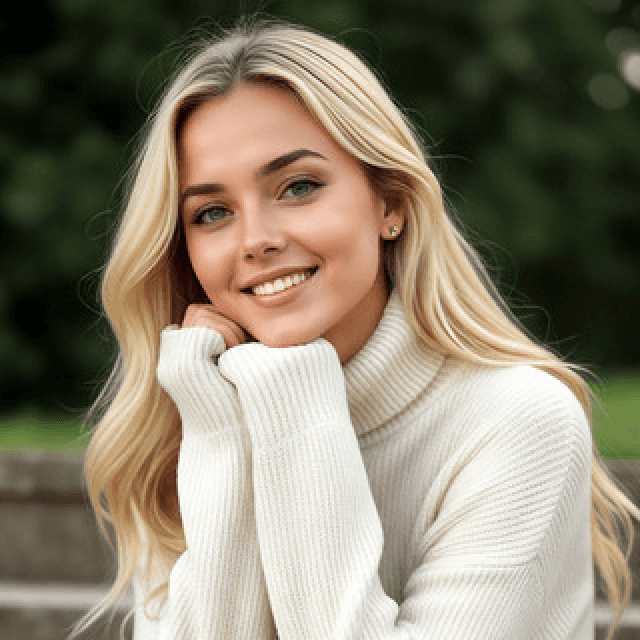
Ayayi is a landmark case for anyone thinking about the global scope of this opportunity. Created by Shanghai-based Ranmai Technology and launched in 2021, she became China's most prominent AI influencer and the first virtual persona to be signed by Chinese luxury goods and cosmetics brands as an official ambassador.
Her collaborations include Bulgari, Porsche China, Louis Vuitton China, Gucci, and several major Chinese domestic brands. In addition, she was signed as the first virtual human staff member of the Tmall luxury platform. This move positioned her simultaneously as an influencer and a brand entity. In China’s digital ecosystem, where the line between social media and e-commerce is almost non-existent, Ayayi has become a case study in how AI personas can operate as influencers, brand ambassadors, and e-commerce channels all at once.
What Ayayi demonstrates is the enormous scale of the AI influencer opportunity outside of Western markets - and the speed at which adoption happens when a market moves. China's AI influencer market has grown faster than any other, driven by the integration of social media, livestream commerce, and luxury brand marketing into a single ecosystem.
The AI influencer model is a global opportunity, and the biggest markets aren’t always the most obvious. The key insight is that understanding where social media and commerce intersect creates the highest-value positioning.
What All Ten Have in Common
Looking across these ten creators and the teams behind them, several patterns emerge that are consistent regardless of niche, market, budget, or follower count. Every successful AI influencer has a clearly defined character with genuine depth – not just a look, but a personality, a voice, a set of values, and a coherent life. The visual consistency is non-negotiable across all of them; audiences recognize them instantly from a thumbnail. Every one of them found commercial success by positioning the character within a niche that already had active brand spending, rather than trying to create demand from scratch. And almost all of them were built by people who started before the tools were perfect, before the market was proven, and before they felt fully ready.
The diversity of the list is also important to note. These are accounts built by a tech startup in LA, a small agency in Barcelona, a photographer in London, a production company in Tokyo, an independent creator in Brazil, and a tech company in Shanghai. The budget ranges from essentially zero to millions of dollars. The follower counts range from 80,000 to 7 million. The niches span fashion, lifestyle, travel, gaming, and beauty. The commercial models range from brand deals to subscriptions to B2B services.
There is no single template for a successful AI influencer. What matters are the underlying principles and the consistent application of them.
Want to Build One Yourself?
Every account in this list started as an idea in someone's head and a few test images on a screen. The tools available today are dramatically more powerful and accessible than what Lil Miquela's creators had in 2016 or what Shudu's creator had in 2017. What used to require a funded startup or a professional 3D studio can now be built by one person with a laptop, an AI image tool, and a clear vision.
The question is whether you have a system for doing it right - or whether you'll spend three months figuring out what the people on this list took years to learn.
The Jobescape AI Influencer course was built to compress that learning curve. You'll learn how to design a character concept that stands out in a specific niche, generate a visually consistent identity using current AI tools, build a content production system that scales, grow an audience from zero on Instagram or TikTok, and set up your first real monetization stream – whether that's brand outreach, a subscription page, digital products, or selling the service to businesses.
Everything you read in this article from character depth to visual consistency, niche strategy to monetization is explained step by step in the course, with real examples and a structured timeline.
No design background. No existing following. No technical experience required.
→ Join the AI Influencer course and start building your virtual creator today.
Frequently Asked Questions
Are all of these AI influencers still active in 2026?
How do these creators handle comments and audience interaction?
Do brands know they're working with AI influencers?
What is the biggest difference between successful and unsuccessful AI influencer accounts?
Is it too late to start an AI influencer account in 2026?
Related Post
More post to explore.
How to Create an AI Influencer From Scratch: The Complete Beginner's Guide
Top 10 AI Influencers in 2026
5 Ways to Monetize an AI Influencer Account