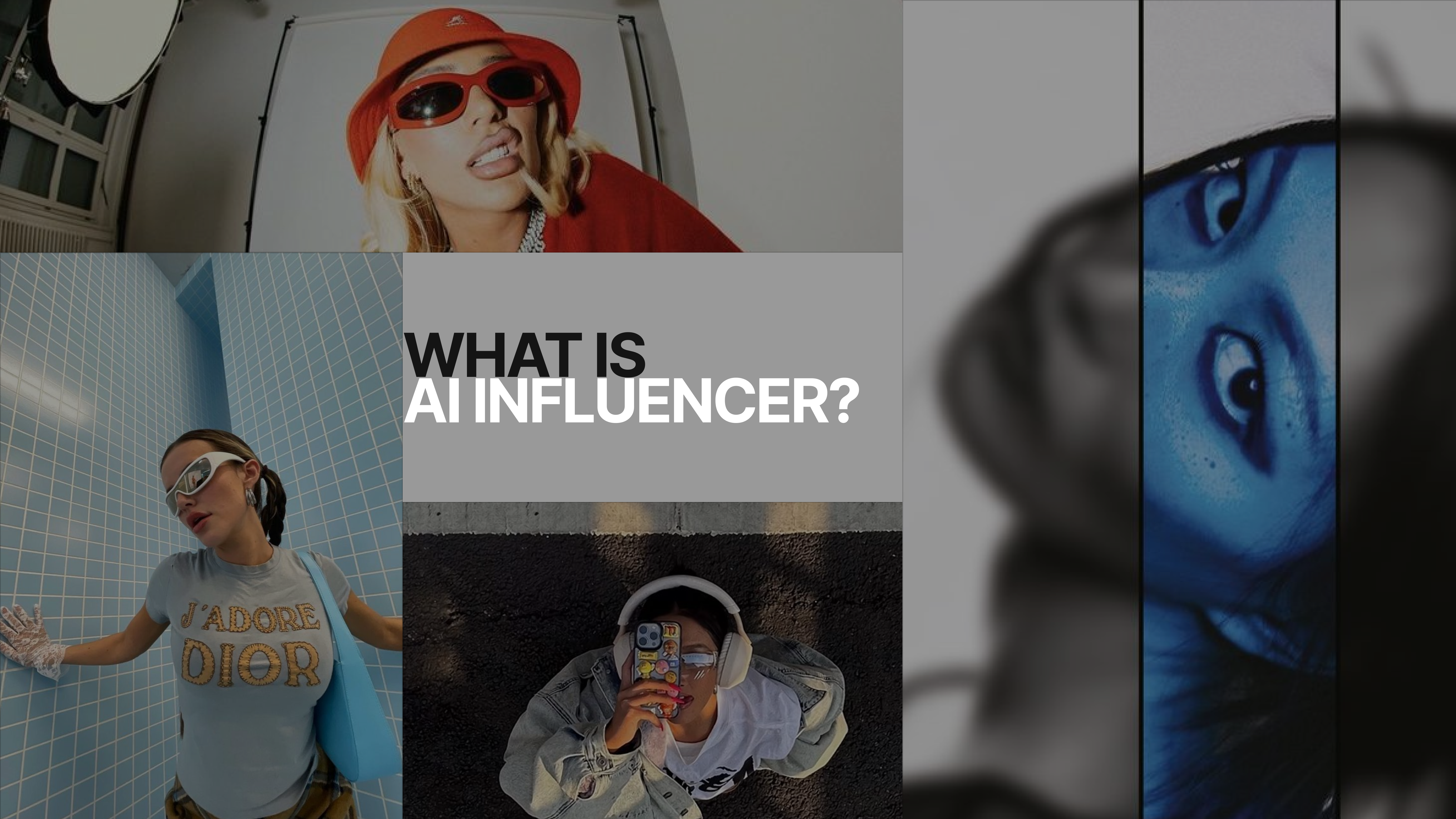
How to Create an AI Influencer From Scratch: The Complete Beginner's Guide
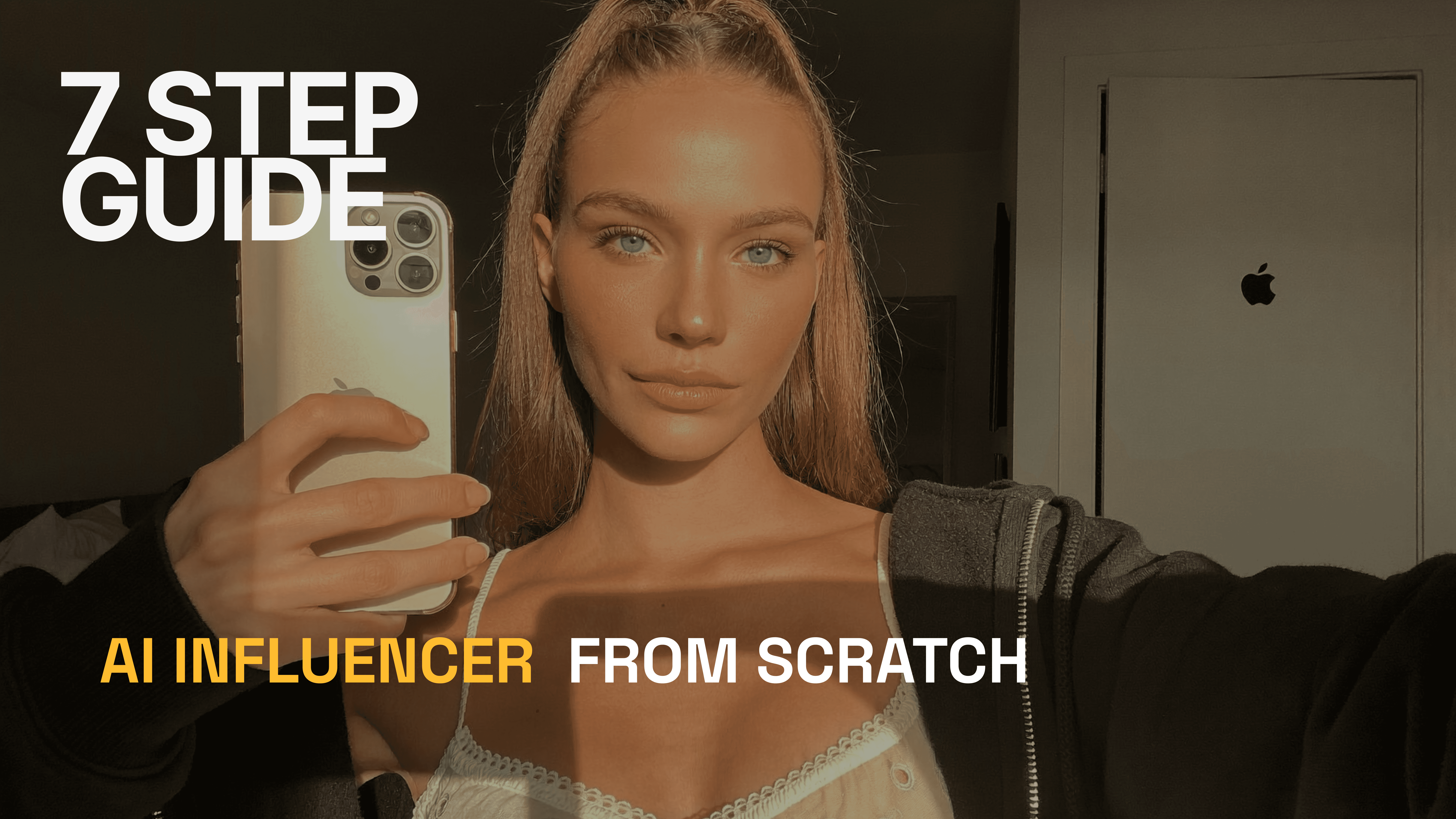
No design background, no technical skills, not even a billion-follower audience. Just a process most people don't know exists yet.
Six months ago, someone with no design experience, no social media following, and no technical background opened an AI image tool for the first time and started building a fictional character. Today that character has 47,000 Instagram followers. Two active brand deals. A Patreon with 300 paying subscribers generating recurring monthly income while the creator sleeps.
That person isn't exceptional. They didn't get lucky. They didn't have connections in the industry or a marketing degree. They just followed a process most people haven't heard of yet.
This guide is that process which laid out completely, step by step, from first idea to first dollar earned. By the time you finish reading, you'll know exactly what to do and in what order. The only thing left will be doing it.
What You'll Need Before You Start
Most people think creating an AI influencer requires a designer, a programmer, or someone who already has an audience. None of that is true.
Here's the actual list of what you need:
A computer or laptop with a stable internet connection
Accounts on a few AI tools (most have free tiers to start)
3-5 hours per week
A genuine interest in the niche you're building around
That's it. Everything else is learned as you go.
The people who fail at this don't fail because they lacked skills. They fail because they skipped steps, chose the wrong niche, or stopped posting before the compounding effect had time to work. This guide exists so you don't make those mistakes.
Step 1: Choosing Your Niche That Determines Everything
Here's what most beginners get wrong: they spend weeks debating which AI tool to use, what their character should look like, and what their posting schedule should be.
None of that matters if the niche you pick is wrong.
Your niche determines your audience, your brand partnership opportunities, your content direction, and ultimately your income ceiling. Get it right and every subsequent decision gets easier. Get it wrong and no amount of beautiful content saves you.

A strong niche for an AI influencer passes three key tests.
Test 1: Is it visually rich? There should be an endless variety of compelling, beautiful, or interesting images you can create that fit the niche. Fashion, fitness, travel, beauty, gaming, and food photography all pass easily. Tax accounting does not.
Test 2: Does it have an active community? Real humans should already care about this category and follow accounts in it on Instagram and TikTok. Just because something is new doesn’t mean it’s a good opportunity.
Test 3: Does it have commercial appeal? Brands should spend money reaching this audience. This is what makes brand deals possible later.
Below, take a glance at the list of niches performing best for AI influencers right now to discover the ones that align with your interests:
Sustainable fashion and slow living
Fitness with a specific aesthetic (minimalist, dark academia, Y2K)
Travel in specific regions (Southeast Asia, Eastern Europe, South America)
Beauty and skincare with a particular skin tone or style focus
Gaming and anime-inspired characters
Wellness with a specific cultural angle
Notice how specific each of those is, and this isn’t accidental. For instance, "Fashion" is too broad, but "Vintage-inspired European street fashion" is a distinct niche. "Fitness" is too broad; in contrast, "Minimalist calisthenics for women over 30" is a targeted niche.
Being specific makes your account easier to find, faster to grow, and far more valuable to the brands that want to reach your exact audience.
Your action step: Write down three niche options you're genuinely interested in. Ask yourself: could you create content in this niche every day for the next twelve months without running out of ideas? If you answered “yes” to all three, without a doubt, choose the one with the clearest brand partnership potential and move on to Step 2.
Step 2: Building the Character
Before you generate a single image, you need to know exactly who your character is. This is the step most beginners rush past. It's also why most beginner AI influencer accounts feel hollow and fail to grow.
Your character is not just a face. They are a complete person with a history, a personality, opinions, aesthetic preferences, daily life, and a recognizable voice. The more fully you develop them before you start posting, the more consistent, coherent, and compelling they become across hundreds of pieces of content. Audiences feel the difference between a character with genuine depth and a shell with a pretty face. They can’t explain why one feels real and another doesn’t, yet they respond to depth every time.
Work through these questions and write down your answers. This will become your "character bible" or the document you refer to every time you generate images or write captions.
First and foremost, start by asking the basics: What is their name? Age? Where are they from, and where do they currently live? What is their ethnic background and physical appearance (height, build, hair color and style, eye color, distinctive features)? What is their occupation or how do they spend their time?
Next, shape the personality: What are their values and what do they care most about? What's their sense of humor? How do they speak: formal or casual, serious or playful? What do they love? What annoys them? What are they working toward?
Then, go deeper into the details of their aesthetic: What does their wardrobe look like? What kind of spaces do they inhabit - minimalist apartments, chaotic creative studios, outdoor environments? What's the color palette of their world? What brands and products naturally fit their lifestyle?
Finally, define the backstory to give your character a sense of purpose: Where did they grow up? What shaped who they are? What are they pursuing and why?
You won't reveal most of this directly in your content. It stays in the background, shaping every creative decision without being said directly. But people feel it, and that’s what turns a casual follower into a loyal one.
Step 3: Making your Character Feel Real through Visual Identity
This is where everything you wrote in Step 2 becomes a person.
Your visual identity is the consistent look that defines your character across all images. Same face, same general proportions, same distinctive features, same aesthetic quality and style. Consistency is everything - your audience needs to recognize your character instantly in a feed full of competing content.
The tools:
Midjourney is the primary tool - currently the most capable and widely used AI image generation platform for realistic human characters.
Leonardo AI is a strong alternative with slightly different stylistic strengths.
Stable Diffusion with custom model training is the most powerful option for advanced creators who want full control. If you're a beginner, start with Midjourney.
The practical process:
Begin with a detailed visual prompt describing your character precisely. Include physical details (facial structure, skin tone, hair, eye color), style details (clothing, lighting), and technical parameters like "photorealistic, high resolution, natural lighting, shot on 35mm" - language that tells the tool you want something that looks like a real photograph.
Generate 20-30 images using variations of this prompt. You're looking for a base image or a set of two to three images that captures the character's appearance exactly as you imagined it. These become your "seed" images that will be used as reference point for everything that follows.
Once you have your seed images, use Midjourney's image reference feature to maintain character consistency across new images in different settings, outfits, and poses. This is the core skill of AI influencer creation. It takes practice, but it becomes faster and more reliable as you develop your prompting style for your specific character.
Don't post yet. Build a library of 30-50 images first. This gives you a buffer so you're never scrambling to create content on deadline, which means you can review the full set and refine visual consistency before the account goes public.
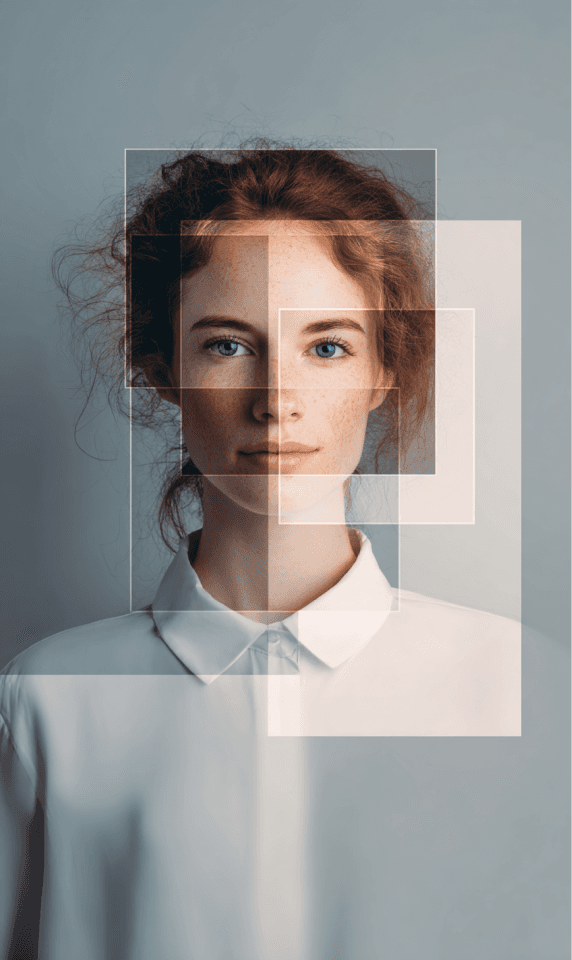
Step 4: Setting Up the Account Professionally
Before you post, set up the account properly. This takes less than two hours but sets the tone for everything.
Choose your primary platform first.
Instagram is the strongest starting point for most AI influencer niches due to its visual format, established influencer marketing ecosystem, and the ease with which brands can find and contact creators. TikTok is the better choice if your character's niche is trend-driven and content-heavy (gaming, humor, dance, commentary). Start with one platform. Do it well before expanding.
Your bio should briefly and engagingly introduce the character. A short explanation of who this character is and why someone should follow is enough. Something like: "25 · Barcelona · Sustainable fashion obsessive, matcha lover, chronic over-thinker. She/her." Two lines. Feels like a real person. That's the target.
Your profile photo should be one of your strongest character images with clean background and clear face. This photo appears everywhere your account does, so it needs to be compelling and consistent.
Set up a link-in-bio page using Linktree or a similar tool, even if there's nothing to link to yet. This is where you'll eventually send traffic to your Patreon, digital products, or brand partnership content. Having it set up from day one looks professional and costs nothing.
On AI disclosure: The current best ethical and strategic practice is to be transparent. Include "AI persona" in your bio, disclose it in your first post, or simply be open about it when asked. Transparency builds trust, avoids platform policy issues, and has proven not to hurt growth for accounts that practice it. Accounts that obscure the AI nature of their content are the ones that face problems when platform policies evolve.
Step 5: Building the Content System
Posting great content once is easy. Posting great content consistently for twelve months is what builds an audience. That requires a system that has three components: a content calendar, a production workflow, and a library of templates.
The content calendar is a simple plan of what you're posting each day, planned one to two weeks in advance. It should include a mix of content types:
Lifestyle images - the character in their everyday world
Niche-specific content - directly related to your niche focus
Personality content - something that reveals the character's voice and opinions
Engagement content - invites the audience to interact (questions, polls, this-or-that posts)
A basic schedule for an account posting once daily might look like. For example, Monday and Thursday are aesthetic lifestyle images, Tuesday and Friday are niche-specific content, Wednesday is personality or story-driven, Saturday is an engagement post, and Sunday is a high-quality "hero" image. Preferable to have polished visuals that tend to attract new followers.
The production workflow is how you execute that calendar without burning out. Batch production is the key. Instead of creating one image and writing one caption every day, sit down once or twice a week and produce all content for the next 7-10 days at once. Generate images in a session. Write all captions in a separate session. Schedule everything with a tool like Later or Buffer. This approach means three to four hours once a week instead of 30-45 minutes every single day. The overall quality is higher because you're in a creative flow rather than scrambling daily.
The caption writing process is what gives the character their voice. Use ChatGPT or Claude with your character bible from Step 2 as context. Generate caption drafts. Review and edit them for consistency and authenticity. Over time you'll develop a natural feel for the character's voice and need less AI assistance — but the tool dramatically speeds up the process in the beginning.
Step 6: Share Your Content to Grow Your Following
Content quality brings followers. Distribution strategy determines how fast.
Hashtags on Instagram still work, but the approach has slightly changed. Instead of loading posts with 30 generic hashtags, use a focused selection of 8-12 hashtags specific to your niche and character. Mix large tags (1M+ posts) for visibility, medium tags (100K-1M posts) for discoverability in active communities, and small niche tags (under 100K posts) where you can realistically appear near the top.
Engagement drives the algorithm more than anything else. In the first few months, spend 20-30 minutes after each post responding to every comment, and actively engage with other accounts in your niche. Leave thoughtful comments on posts from similar accounts and from accounts your target audience follows. This signals to the algorithm that your account is active and social. Also, it puts your account in front of people who would genuinely enjoy your content.
Collaborations accelerate growth significantly. Reach out to other AI influencer accounts in not competing niches for reposts or joint content. Reach out to human influencers in your niche who might find an AI influencer interesting to share. The novelty factor of AI-generated content still generates organic attention when positioned correctly.
For TikTok and Reels: Tools like Runway ML and Kling AI can animate your AI-generated images into short video clips. Yes, it takes some effort, but it’s worth the investment once your character’s visual identity is fully developed, cuz video content reaches dramatically more people than static images on these platforms.
On patience: Growth is naturally slow during the first month but accelerates afterward. The accounts that succeed post consistently for three to six months before expecting significant results. The ones that fail post for three weeks, don't see explosive growth, and stop. Three weeks isn't a test. It's barely a warm-up.
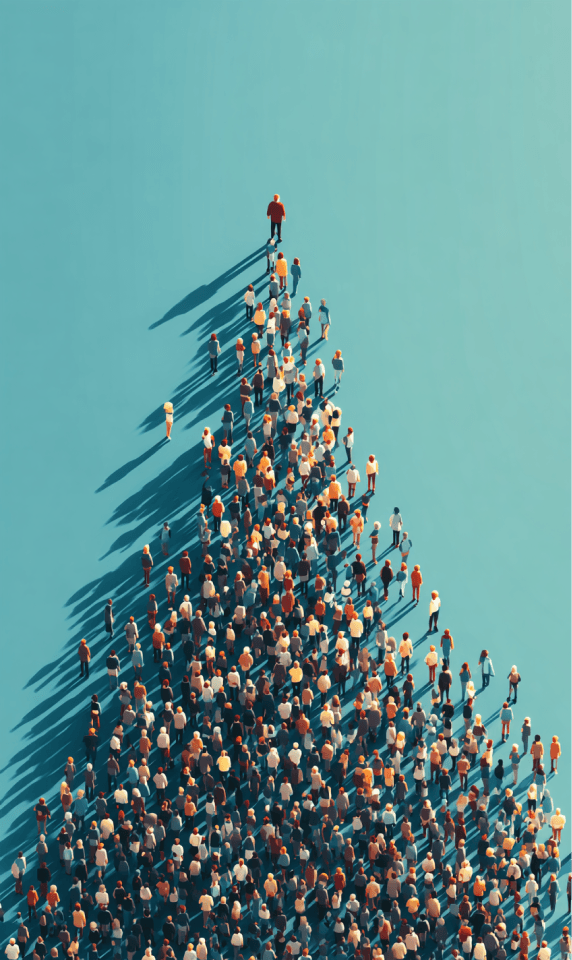
Step 7: Monetization
Most people think AI influencer monetization means waiting for brand deals. Brand deals are great, but they’re just one of five income streams available. Here’s the monetization sequence you can follow at different stages of your account growth:
Start Earning Day One with Affiliate Marketing
Join affiliate programs relevant to your niche: Amazon Associates, fashion brand affiliate programs, beauty brand programs, fitness supplement companies. Include affiliate links in your bio link page and weave product recommendations naturally into your content. Small income immediately. No audience size requirement.
With 1,000-2,000 followers head to Patreon for income
Offer a low-tier subscription ($5-8/month) for exclusive content: higher-resolution images, behind-the-scenes generation process, early access to new posts, or personal content from the character's world that doesn't appear on the public feed. 100 subscribers at $5/month is $500/month in recurring income that requires minimal additional work once the system is set up.
Hit 5K–10K followers? Land brand deals
Research who is sponsoring similar accounts. Reach out directly via email or DM with a brief pitch and your account statistics. Create a simple one-page media kit showing your follower count, engagement rate, audience demographics, and two or three examples of your best content. Start with a product exchange or a small paid post to build portfolio and credibility for bigger deals.
At Any Stage Sell Digital Products
An ebook, a preset pack, a wallpaper collection, a digital art print of your character – all of these can be sold on Gumroad with minimal setup. As the character develops a fanbase, merchandise becomes viable too.
Earn Big with AI Creation, Even with a Small Audience
Once you have a functioning account as proof of concept, you can approach brands directly and offer to build a custom AI influencer persona for their business. No audience growth required. You're selling the creative and technical service.
Project fees for initial creation range from $2,000 to $15,000. Monthly retainers for content production are common on top of that.
The Honest Part
Everything in this guide is accurate and achievable. But three things are genuinely harder than they sound, and you should know that going in.
First, maintaining visual consistency is a real skill. Your first 50 images will probably have inconsistencies such as lighting shifts, slightly different facial features between shots. This improves dramatically with practice. Most creators feel confident with their consistency workflow within two to four weeks of regular practice.
Second, growth is slower than most people expect. Three months of consistent daily posting to reach 5,000 followers is realistic for most accounts. That's not failure, that's how audience building works. The accounts that look like they grew overnight spent months building before anyone noticed.
Third, this is a real creative business, not a passive income machine from day one.The character needs engaging fresh content and consistent, ongoing creative development to grow an audience. Winners of this game treat it like a business with strategy and consistency; losers treat it like a lottery ticket
Want to Skip the Trial and Error?
If this guide gave you the full picture and your reaction is "I want to do this, but I want to do it right without spending six months figuring out what works" – that's exactly what the Jobescape AI Influencer course is built for. The course walks you through every step in this guide with hands-on tutorials and real examples, so you can execute a proven process without making costly mistakes.
You'll learn how to generate a consistent visual identity from week one, build a content system that runs on 3-5 hours a week, grow on Instagram and TikTok with strategies that are working right now, and set up your first monetization stream before you hit 1,000 followers. More importantly, you'll build alongside a community of people doing the same thing – people to compare notes with, get feedback from, and stay accountable to. Building with others is consistently faster and more sustainable than building alone.
No technical skills required. No social media following needed. Just your eager hunger to conquer this wave.
→ Join the AI Influencer course and start building your character this week.
Frequently Asked Questions
How much does it cost to start building an AI influencer?
How do I keep my character looking consistent across hundreds of images?
What if a platform bans AI-generated content?
Can I do this in a language other than English?
How long until I make real money?
Related Post
More post to explore.
How to Create an AI Influencer From Scratch: The Complete Beginner's Guide
Top 10 AI Influencers in 2026
5 Ways to Monetize an AI Influencer Account