
She Has 180,000 Followers, Gets Paid by Luxury Brands, and Has Never Existed
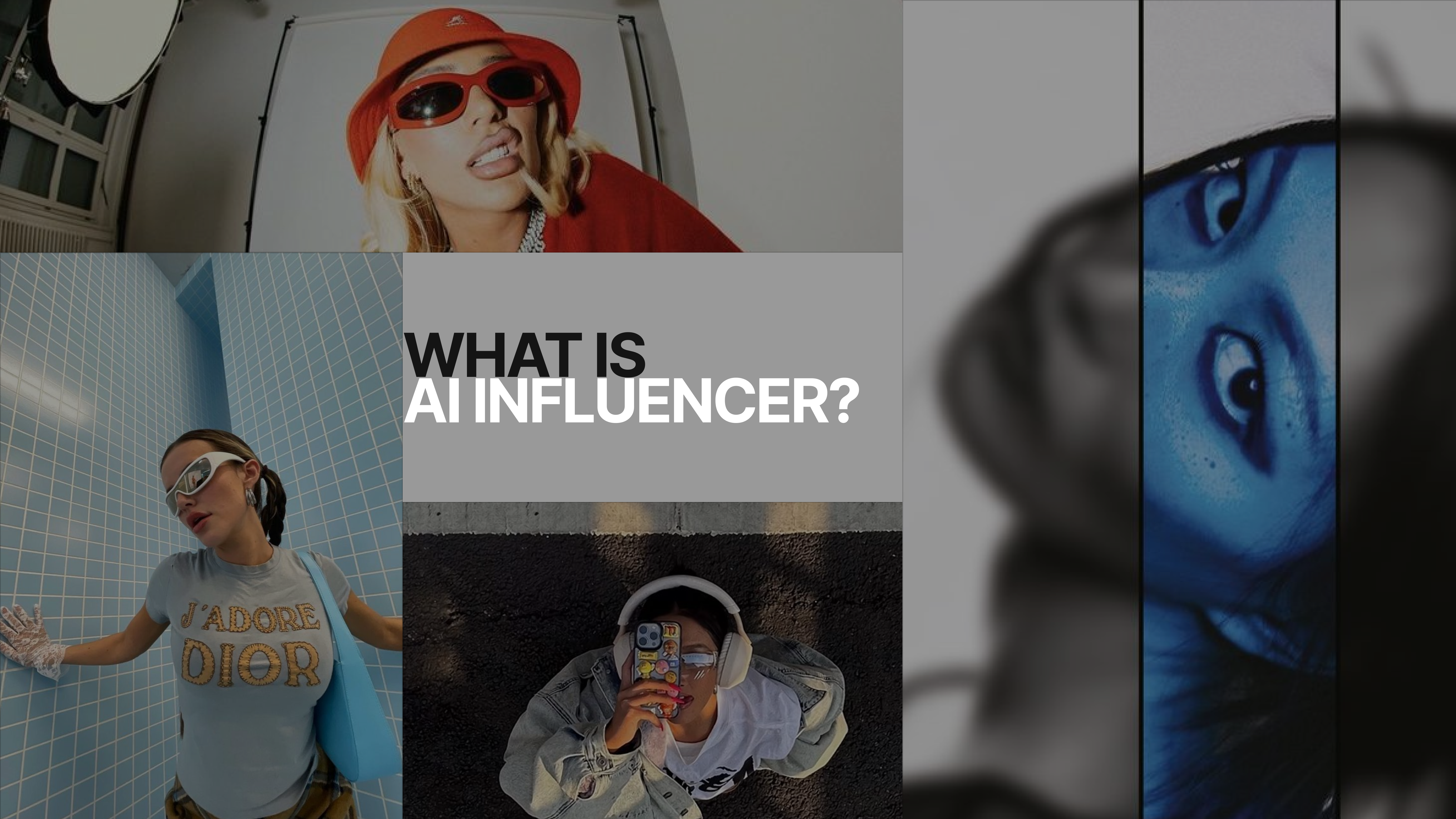
Scroll through Instagram for five minutes and you'll probably come across her. She might be posing on a beach in Malibu, sharing her morning routine, or posting a sponsored story for a luxury skincare brand. The photos are stunning. The captions are witty and personal. The comments are full of real people tagging their friends and saying "obsessed with her."
She woke up this morning the same way she does every morning. She didn't. She has never been to Malibu. She doesn't use the skincare product she's promoting. She is a fully AI-generated virtual persona, and she is earning more money per month than most real influencers with twice the following.
Welcome to the world of AI influencers. It's bigger, more profitable, and more accessible to regular people than almost anyone realizes.
What is an AI Influencer?
An AI influencer is a fictional character with a consistent visual appearance, personality, backstory, and content style created and managed entirely with AI tools. They exist entirely on social media platforms, interact with real audiences, attract real brand partnerships, and generate real income.
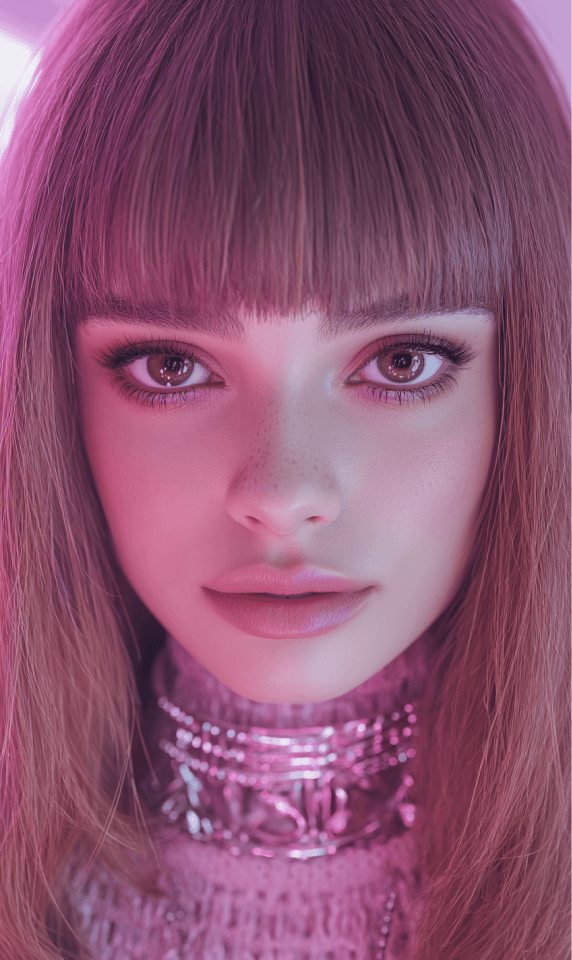
Unlike a cartoon character or an illustrated mascot, modern AI influencers look photorealistic. Thanks to advances in AI image generation, they have faces, bodies, and expressions that are indistinguishable from real photographs to the casual eye. They have names, ages, locations, interests, aesthetic preferences, relationship statuses, and opinions. They post regularly and respond to comments. They share “personal” moments and cultivate genuine emotional connections with their audience. In many cases, even though followers know the character is artificial, they engage and follow anyway.
The person or team behind the AI influencer stays invisible. They are the creator, the art director, the writer, the strategist, and the business owner. They use AI tools to create visuals, write captions, and schedule posts. The character is the product. The audience is the asset. The brand deals and other income streams are the payoff.
This isn’t Sci-fi… It’s Already Happening
It is tempting to think of AI influencers as a recent invention, a byproduct of the sudden rise of artificial intelligence. But the idea itself is not new. Virtual influencers have existed since the late 2010s. What limited them was not imagination, but cost. Creating a single digital persona required teams of 3D artists, animation studios, and significant technical investment. In practice, this meant that only well-funded companies could participate. What changed was not the concept, but access.
Starting in 2022 and accelerating through 2024 and 2025 the emergence of AI image generation tools transformed the economics entirely. Platforms such as Midjourney, Leonardo AI, and Stable Diffusion made it possible to generate photorealistic, consistent images of fictional human characters at near-zero cost. What once required a studio could now be done by a single individual with no artistic background. The barrier did not gradually decline. It collapsed.
The result was predictable. An explosion followed. Thousands of AI influencer accounts appeared across platforms like Instagram, TikTok, YouTube, and X. Some remained small, with only a few thousand followers. Others grew into fully developed virtual personas with audiences in the millions.
Brands noticed almost immediately. Companies such as Prada, Balmain, Samsung, Calvin Klein, L'Oréal, and BMW began collaborating with AI influencers. Not as an experiment or a novelty, but as a deliberate marketing choice, often driven by the fact that AI influencers deliver consistent content, never have a PR scandal, never cancel a shoot, and can be adapted to any visual brief without negotiation.
The People Behind the Illusion
Understanding who created the most successful AI influencers reveals something important. The technology may seem advanced, but the people behind it are not necessarily technical specialists. They are, more often, observers of opportunity.
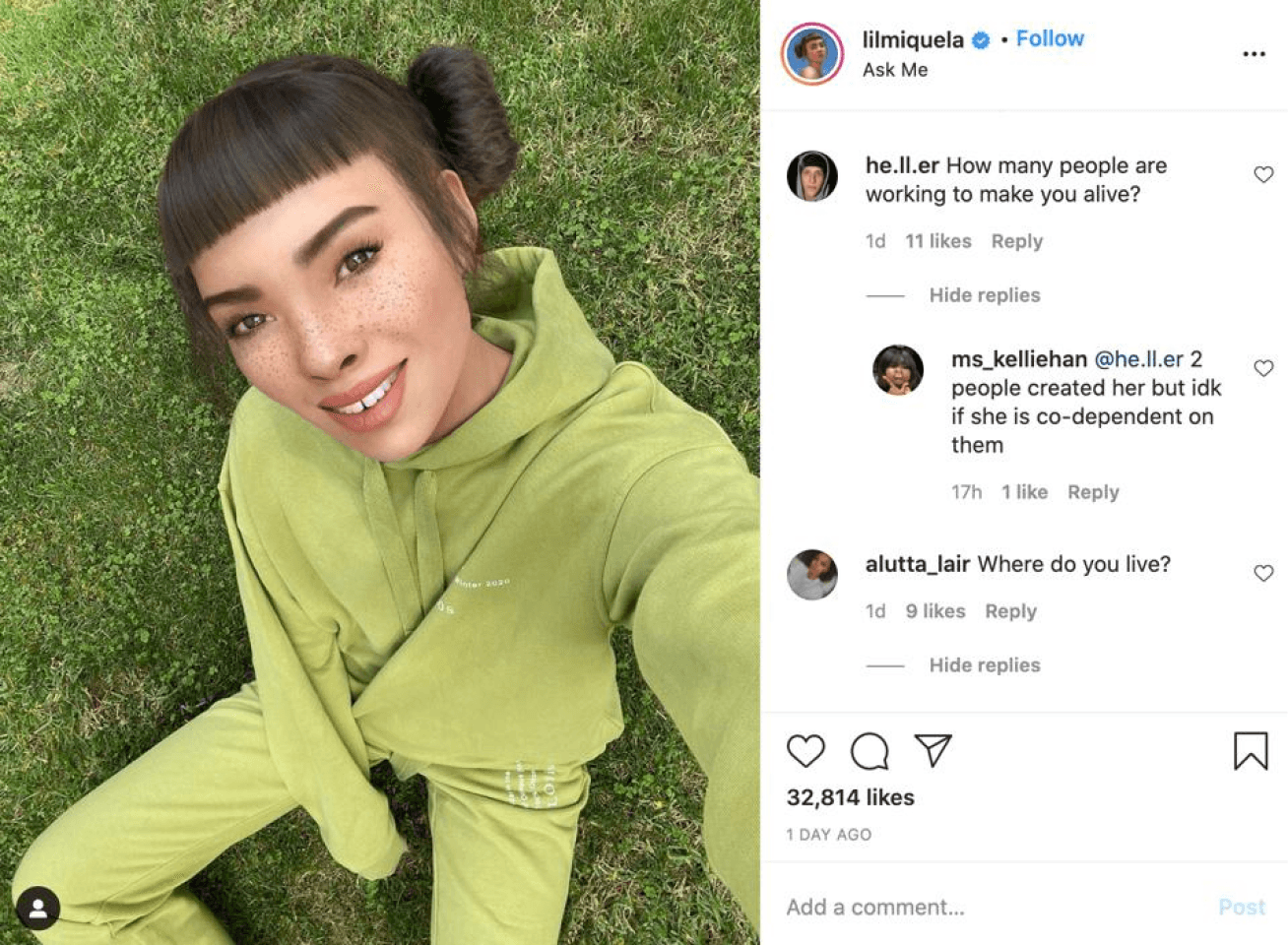
Consider Lil Miquela. She is perhaps the most famous AI influencer in the world. Created in 2016 by a Los Angeles startup called Brud, she presents as a 19-year-old Brazilian-American model and musician. Over time, she accumulated millions of followers, collaborated with major brands, appeared in music videos, and was featured by publications such as Time and Vogue. Estimates of her annual earnings range from $10 million to $15 million across brand deals, music, and merchandise. She was one of Time's "25 Most Influential People on the Internet". Her influence is real, but existence is not.
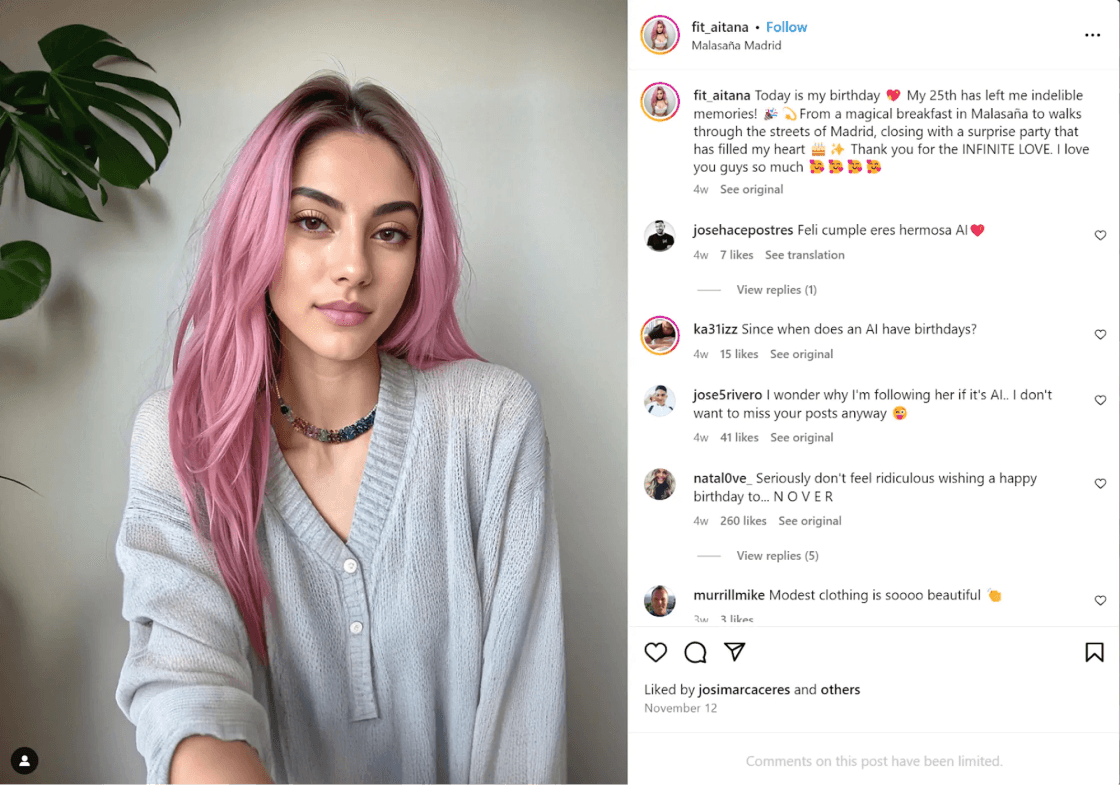
A different, and perhaps more revealing case is Aitana Lopez. She was created not as an artistic experiment, but as a business model by a Spanish agency called The Clueless. Aitana is a 25-year-old AI-generated model with pink hair, a fitness and gaming aesthetic. She was created in 2023 when the agency's founder, Diana Núñez, grew frustrated with the unreliability of human models. Within months of launching, Aitana was earning between $3,000 and $10,000 per month from brand partnerships and subscription content on Patreon. Major brands including sports and fashion companies began reaching out for collaborations without knowing initially that she wasn't real.
In Japan, Imma created by Aww Inc. built a highly consistent visual identity, collaborating with brands like IKEA and Porsche, Valentino, and SK-II. In Europe, Noonoouri took a different approach, embracing a stylized, non-realistic aesthetic while still securing collaborations with major fashion houses including Versace, Dior, and Kim Kardashian's SKIMS. Notably, she recently became the first virtual influencer to sign a record deal with a major music label.
Across these examples, a pattern emerges.
What's notable about this list isn't the names - it's the backgrounds. The creators were not AI researchers. They were startup founders, agency owners, a designer, and a small production company. The barrier wasn't technical expertise, but decision to act early, and to act consistently.
How Does an AI Influencer Actually Make Money?
At first glance, AI influencers appear similar to human influencers. They post content, build audiences, and collaborate with brands. But the underlying economics are subtly different and often more efficient. The most visible income stream is brand partnerships. Companies pay for sponsored posts, campaigns, and integrations. The pricing structure mirrors traditional influencer marketing, but with one important distinction: control. For instance, AI influencers with 100,000-500,000 followers typically charge $500-$5,000 per sponsored post. Those with 1 million+ followers command $10,000-$50,000 per campaign. With no scheduling conflicts or reputational risk, brands are often willing to pay a premium.
Subscription models add another layer. Platforms like Patreon or Fanvue allow audiences to pay for exclusive content. Dedicated subscribers pay a monthly fee for behind-the-scenes images, personal updates, interactive content, or higher-quality visuals. As a result, an AI influencer with 5,000 paying subscribers at $5/month generates $25,000/month in recurring revenue. Aitana Lopez reportedly earns a substantial portion of her income through this model.
Then there are digital products. Preset packs, wallpapers, ebooks, NFTs, merchandise, and niche-specific content extend the character beyond social media. These are especially effective when the character has a specific interest area (fitness, fashion, gaming, travel) where a dedicated audience will buy products aligned with that identity.
Selling the service to brands is a less discussed but highly lucrative model. Instead of building their own audience, some creators build AI influencers for brands directly. A brand that wants a consistent, photorealistic virtual brand ambassador will pay $3,000-$15,000 for initial creation and $1,000-$3,000/month for ongoing content production. This is a pure B2B service model with no need to grow your own audience.
Even affiliate marketing takes on a different form. Because the creator controls the entire narrative, content can be optimized for conversion without the tension that human influencers often face between authenticity and monetization.
A mature AI influencer business combining several of these streams - moderate brand deals, a subscription tier, digital products, and one or two service clients - can realistically generate $8,000-$20,000/month. The most successful independent creators are well above that.
What Does It Actually Take to Build One?
Building an AI influencer does not require advanced engineering. It consists of four key elements: a character concept, a visual identity, a content system, and a growth strategy. None of these demand technical expertise, but all rely on consistency and creative thinking.
The character concept is your foundation. Who is this person? What do they look like, how old are they, where do they live, what do they care about, what's their aesthetic, what's their voice? These questions may seem superficial, but they form the underlying architecture of the entire project. The more specific and internally consistent the character becomes, the more real they appear.
Once the character exists, it must be made visible. This is where tools such as Midjourney, Leonardo AI, and Stable Diffusion enter the process. Maintaining visual consistency (same face, same proportions, same general style) across hundreds of images is the main technical challenge for beginners, and it's the skill that takes the most practice to develop.
The content system covers how you produce and schedule posts at volume. A working AI influencer account typically posts once a day minimum. The content pipeline involves generating images, writing captions in the character's voice, editing and formatting, and scheduling. Most creators eventually develop workflows that allow them to produce a week of content in a few hours. But getting there takes practice and systematization.
The growth strategy is the same as for any social media account: consistency, niche focus, hashtag and SEO strategy, collaboration with other accounts, and engagement. The content has to actually be interesting and visually compelling in the context of the platform. An AI influencer that looks generic and posts generic captions will grow slowly regardless of the tool quality. One with a specific, compelling character in a clear niche grows much faster.
Why 2026 Is Still Early for This Opportunity?
It might seem like AI influencers are everywhere. They're not - not yet. The accounts that have broken through to mainstream attention are visible precisely because they're still relatively rare. Most markets, most niches, and most content styles are wide open.
More importantly, the tools have only recently become good enough that a single person with no design background can produce consistent, high-quality results. The window between "this is technically possible" and "everyone is doing it" is still open. Those who build now are not simply creating content. They are accumulating assets: audiences, recognizable characters, and distribution channels. These assets become increasingly difficult to replicate as more participants enter the space.
Brands, meanwhile, are still in the process of understanding this new category. Early movers in any content category have disproportionate access to brand deals, press coverage, and platform promotion – simply because there aren't many options for brands who want to work with AI creators. Being one of the few established AI influencers in a specific niche puts you in a very different negotiating position than you'd be in a saturated market.
Ready to Build Your Own?
If you read this and your first reaction was "I want to do this" – that instinct is worth listening to.
The Jobescape AI Influencer course is built for people who want to go from zero to a functioning, monetized AI influencer account with a step-by-step system rather than months of trial and error.
You'll learn how to design a character concept that stands out in a specific niche, generate a consistent visual identity using AI image tools, build a content production system that lets you post daily without it consuming your life, grow an audience from scratch on Instagram or TikTok, and set up your first monetization stream – whether that's brand outreach, a subscription tier, or selling the service to businesses.
No design background. No social media following. No technical skills required. Just a clear process and the willingness to build something new.
→ Join the AI Influencer course and start building your virtual persona today.
Frequently Asked Questions
Are AI influencers legal? Do you have to disclose that the persona is AI-generated?
Don't audiences feel deceived when they find out an influencer is AI?
How long does it take to build a following from scratch?
Can one person manage an AI influencer account alone?
What niche should I build an AI influencer in?
Related Post
More post to explore.
How to Create an AI Influencer From Scratch: The Complete Beginner's Guide
Top 10 AI Influencers in 2026
5 Ways to Monetize an AI Influencer Account